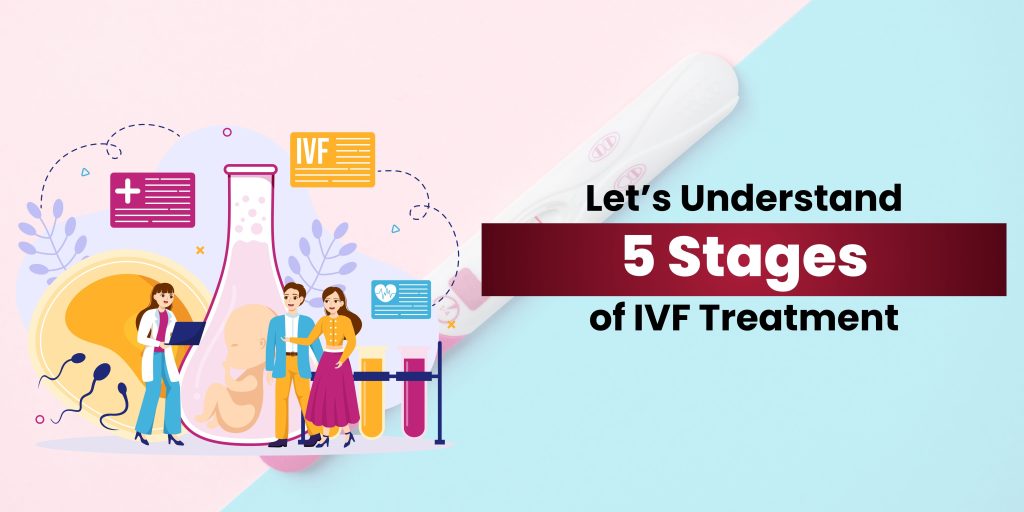
For many couples, IVF (In Vitro Fertilization) offers new hope in their fertility journey. If you’re considering IVF for the first time, it’s natural to feel anxious or overwhelmed. At SRI IVF Patiala, we believe that understanding the process makes the journey less stressful and more empowering. Here’s a clear, step-by-step guide to the 5 main stages of IVF treatment.
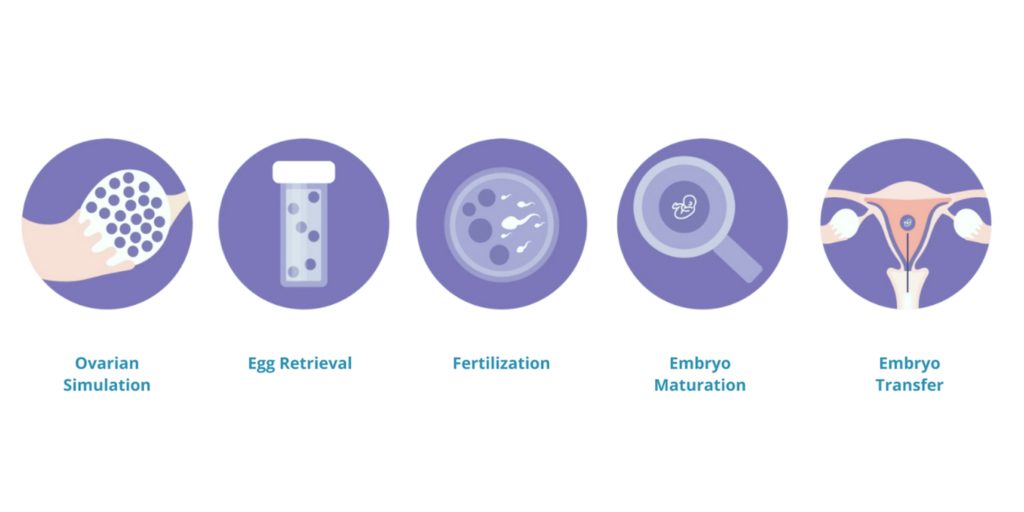
- Ovarian Stimulation
The first step of IVF involves stimulating the ovaries to produce multiple eggs. Normally, a woman releases one egg per cycle. Through fertility medications, the ovaries are encouraged to produce several eggs, improving the chances of success.
- Daily hormone injections or oral medicines are prescribed.
- Monitoring through ultrasound scans and blood tests helps track egg growth.
Why it matters: More eggs mean more embryos, increasing the likelihood of finding high-quality ones for transfer.
- Egg Retrieval (Ovum Pick-Up)
Once the eggs mature, they are collected from the ovaries through a minor surgical procedure called egg retrieval.
- It’s performed under mild anesthesia, so the patient feels no pain.
- A thin needle is guided through the vaginal wall to collect the eggs.
Why it matters: The retrieved eggs are immediately handed over to the embryology lab for fertilization.
- Sperm Collection and Fertilization
On the same day as egg retrieval, a sperm sample is collected from the partner (or donor, if required). The embryologist then combines the sperm with the retrieved eggs in the lab.
- In some cases, ICSI (Intracytoplasmic Sperm Injection) is performed, where a single sperm is injected directly into the egg.
- The fertilized eggs are then carefully monitored as they develop into embryos.
Why it matters: This is the beginning of embryo development – the foundation of a successful pregnancy.
- Embryo Development and Grading
Over the next 3–5 days, the embryos are nurtured in a highly controlled lab environment.
- Embryologists assess the embryos based on growth, structure, and cell division.
- The healthiest embryos are chosen for transfer, while others may be frozen for future use.
Why it matters: High-quality embryos have a better chance of implanting and developing into a healthy pregnancy.
- Embryo Transfer
The final stage of IVF involves placing the best embryo(s) into the woman’s uterus.
- It’s a simple, painless procedure, usually not requiring anesthesia.
- After transfer, supportive medications are prescribed to help implantation.
- A pregnancy test is conducted about 12–14 days later to confirm results.
Why it matters: This is the moment couples eagerly wait for—the transfer of hope into the womb.
Final Word
IVF is a journey of patience, courage, and medical expertise. By understanding these 5 stages—ovarian stimulation, egg retrieval, fertilization, embryo development, and embryo transfer—couples can feel more confident and prepared. At SRI IVF Patiala, we guide you through every step with advanced technology and compassionate care, making your dream of parenthood a reality.